An Interview with Paul Williams OBE, Architect of SEVEN at Southbank Place

Discover how SEVEN at Southbank Place came to life in this illuminating discussion with the Principal Director of Stanton Williams Architects.

The Story Behind SEVEN at Southbank Place

Standing pride of place alongside River Thames, at the heart of one of London’s most artistic and vibrant neighbourhoods, SEVEN, located within the Southbank Place development, is a bold new addition to the capital’s iconic skyline. Designed to sensitively integrate with the Southbank’s prestigious heritage architecture, this luxurious residential development will be admired world over for generations to come, whenever London is captured on image or film.

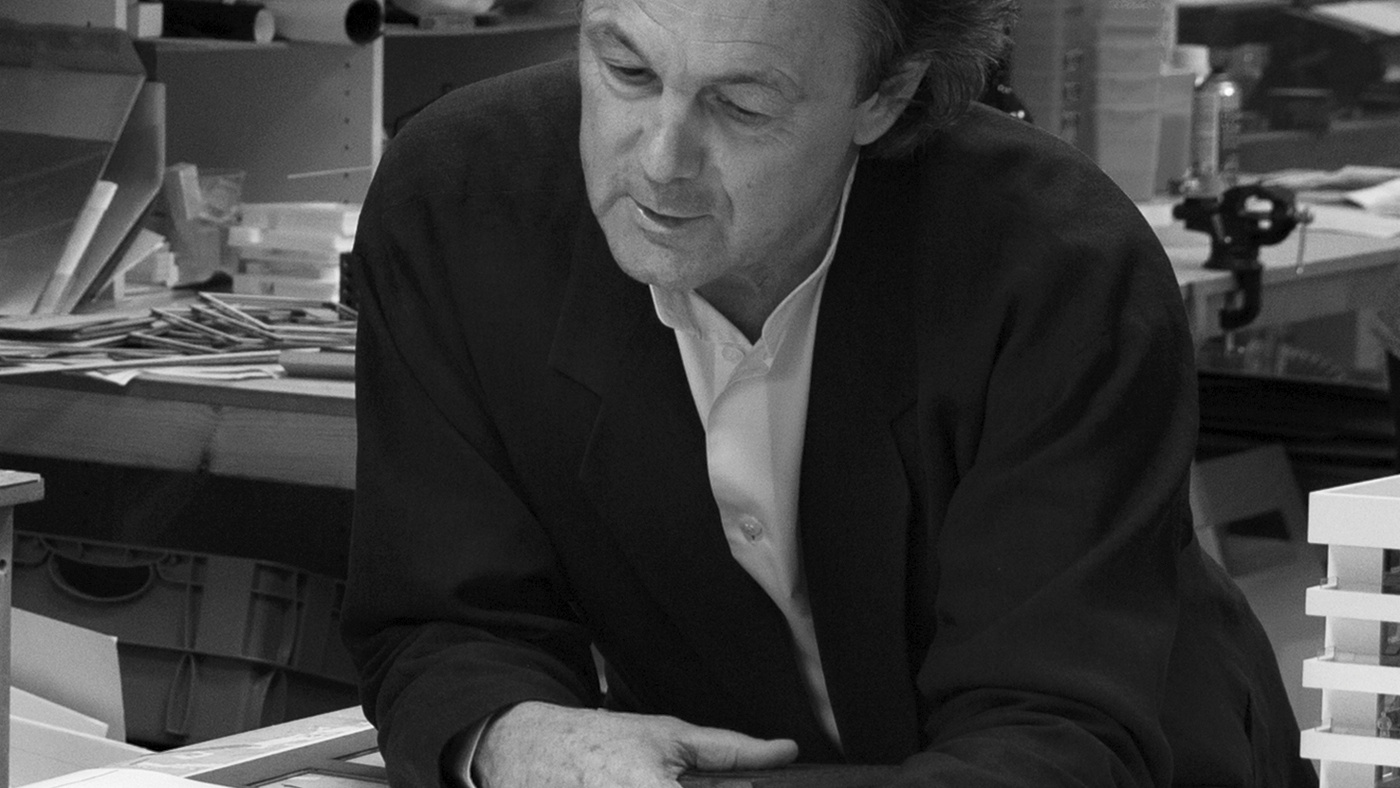
When it comes to revealing the vision behind SEVEN’s striking architecture, there are few better placed to offer insights than Paul Williams OBE. As Principal Director of Stanton Williams, the leading London-based architectural studio that brought SEVEN to life, he is the leading figure in the creation of this landmark 14-storey building.
What is special about Southbank Place?

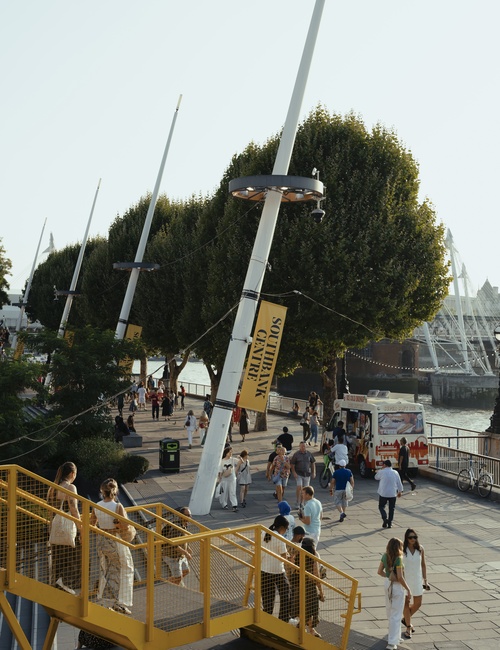
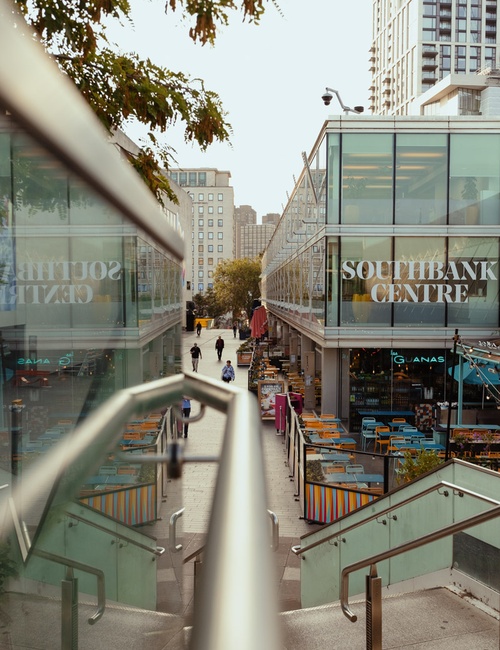
This commission has given us the wonderful opportunity to design a major residential building in one of London’s most iconic cultural locations – the Southbank of the River Thames, overlooking Jubilee Gardens, the London Eye, the Houses of Parliament and Big Ben. A site adjacent to the Southbank Centre, the largest arts centre in the UK – and with institutions such as the Royal Festival Hall, Queen Elizabeth Hall and the BFI as neighbours, music, dance, theatre and art are all on the doorstep. This is a remarkable location in a dynamic area, at the heart of London’s cultural scene, where riverside walkways are lined with events, restaurants and historic parks.

What was the thinking behind SEVEN at Southbank Place?

SEVEN is the final building that makes up the Southbank Place development. This development was designed to create a vibrant new mixed-use quarter that provides strong visual and physical connections from Waterloo Station to the River Thames, while also enhancing the existing range of cultural and open spaces that stretch from Tower Bridge in the east to Westminster Bridge in the west.

How was SEVEN integrated within the context of the Southbank neighbourhood?

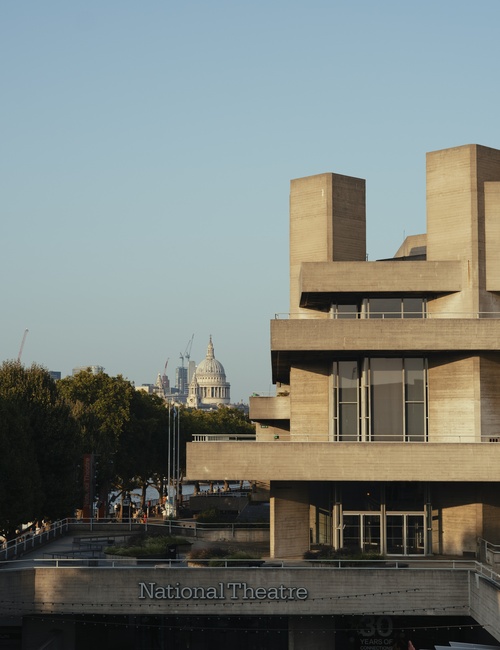
While a building’s significance comes from the quality of its design and form, it must also be appropriate to its location and context. The Southbank is home to a rich and diverse group of buildings, including important Brutalist structures, such as the Hayward Gallery and the National Theatre. However, Seven’s plot, or ‘footprint’, is adjacent to the existing listed Shell Centre; imposing and monumental, with a sculptural form clad in Portland stone and a strong civic presence. From the outset, we wanted to design a building that harmonises with the Shell Centre, maintaining the same sculptural and solid appearance – and at the same time, creating a bold, river-facing presence to Southbank Place.

How did you interpret these influences?

By metaphorically ‘carving’ into SEVEN’s solid exterior, conceived as a monolithic, natural stone block. The materiality references both the Shell Centre and the modernist Royal Festival Hall building on the opposite side of Hungerford Bridge. All three structures are built in limestone, and the colour and approach between the three are very similar, creating a strong, unifying visual dialogue. SEVEN’s front façade, which faces Jubilee Gardens, works with the Shell Centre, while the elevations of the building that face away from the river feature a number of suspended balconies, engaging with the other buildings on the Southbank Place site.

What was the overarching design vision behind SEVEN?

At its simplest, we wanted to create an architecture that engages with, and contributes to, the surrounding public realm. At the same time, creating a form appropriate to its setting – one that is not overtly residential, but with a river-facing façade that adds interest and delight. We envisaged a faceted sculptural form that would respond to the changing light, casting shadows that animate and articulate the façade throughout the day, at the same time providing beautiful natural daylight to the apartment interiors. It is a very special façade that has been beautifully constructed.

What are the key design elements?

Our design strives to engage all the senses with materials that acquire a patina, improving with time and physical contact. SEVEN’s architecture intentionally doesn’t shout, but is appropriate to its setting, underpinned with a design rigor and attention to detail. Many of the apartments have wonderful uninterrupted views of the river and beyond. The top of the building is formed by a series of double-storey penthouse apartments, all framing spectacular views of the river and the London skyline beyond. At ground level, a dramatic, double-height glazed entrance lobby allows views though the building to Casson Square, an adjacent new public space facing Waterloo Station. To the north, the form of the building is gently cut back to create a localised route alongside Hungerford Bridge to the new Southbank Place development.

Some particularly striking features?

Linear in form, SEVEN’s design maximises its river frontage position, deliberately evoking a more civic presence to provide a dignified backdrop to the river. Floorplates between the double-height plinth and the penthouses provide single-storey accommodation, many of which are dual aspect. The building’s elevations sensitively respond to their immediate surroundings. The facades on the north, south and east sides maintain the building’s solid appearance, complete with the addition of textured or tooled pre-cast panels, contextual bronze-coloured panels and window frames set flush within natural stone panels. In contrast, the western river-facing façade presents a dynamic sculptural façade with inset stone balconies to maintain the appearance of solidity.

How is space choreographed within the apartments?

The internal layouts are orchestrated so that, as residents move into and through the living spaces, fantastic views of the river rapidly unfold beyond the carved balconies that look out onto Westminster, Big Ben and the London Eye. And of course, Jubilee Gardens – which lie between SEVEN and the river – are protected, so residents are always going to have these wonderful river views.

What was it like working within such an important heritage setting?

While we always feel a sense of responsibility about any building we design, with SEVEN, that awareness was heightened due to its prominent riverfront location. Inevitably, the surrounding architecture – both old and new – impacted how we developed our design. As such, SEVEN is created in response to the complexity of its surroundings and the particularity of place. It is now very much a part of the Southbank skyline and public realm.  

SEVEN is designed as a linking element that mediates between the verticality of the new Southbank Place development and the more civic qualities of the wider Southbank area to the north of Hungerford Bridge, featuring the Royal Festival Hall, Southbank Centre and the National Theatre.

Would you say that SEVEN introduces a new architectural icon to the Southbank?

Yes, of course. We like to think that SEVEN will become a defining residential building in London. A building cherished by both residents and Southbank visitors, providing living spaces that residents will find enriching and uplifting. It has been built so beautifully! In terms of its riverfront position, within the Southbank and the arts quarter, this is undoubtedly one of the most prominent and important locations we’ve ever been commissioned to design a building in.

How do you feel about having completed such an important landmark?

It is a wonderful privilege to add a building of such significance to such a key part of London.

Related journals