Though Southbank is renowned for its cultural attractions, lively dining scene and standout riverfront views, it also holds the prestige of being one of London’s the most architecturally diverse destinations. Modern Southbank architecture encapsulates an intriguing blend of periods and styles, ranging from post-war functionality to elevated 21st century aesthetics, making the area a haven for architecture aficionados and lovers of striking built environments. Read on to discover the fascinating story behind Southbank’s design history.
Introduction to Southbank’s Architectural Identity
Brutalist Landmarks
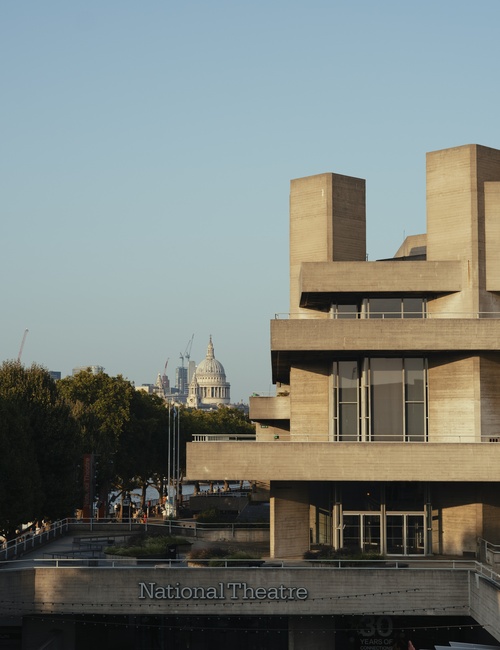
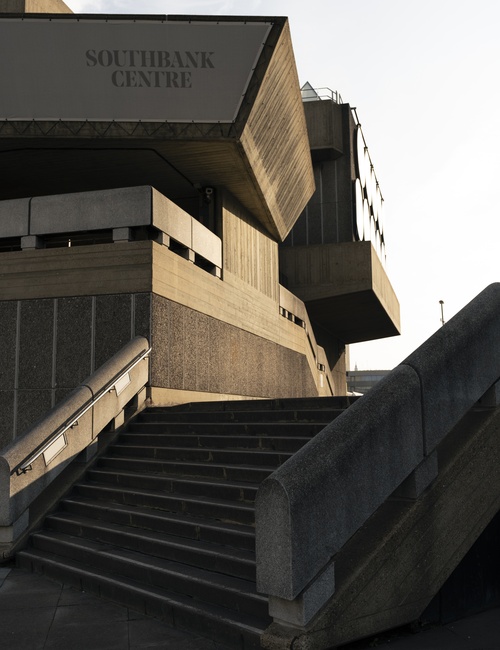
Amongst its many eye-catching buildings, Southbank’s Brutalist architecture is particularly revered. The Brutalist movement – characterised by minimalist designs and an emphasis on exposed materials and clean-lined constructions – first emerged in the United Kingdom during the 1950s. During this post-war period, avant-garde Brutalism represented an optimistic and progressive new style, as architects rebuilt damaged areas with visions for a thoroughly modern way of living, transcending from the nostalgia of the past to something altogether more futuristic.
At the time, this desire for a fresh start resounded throughout London, including the run-down Southbank neighbourhood, an industrial area in urgent need of redevelopment following WWII. Southbank caught the attention of millions when it was chosen to host the 1951 Festival of Britain, a nationwide event celebrating British culture and post-war recovery. The festival demonstrated the area’s untold potential as a landmark quarter for the arts and culture, leading to the creation of now-iconic buildings as part of its new identity.
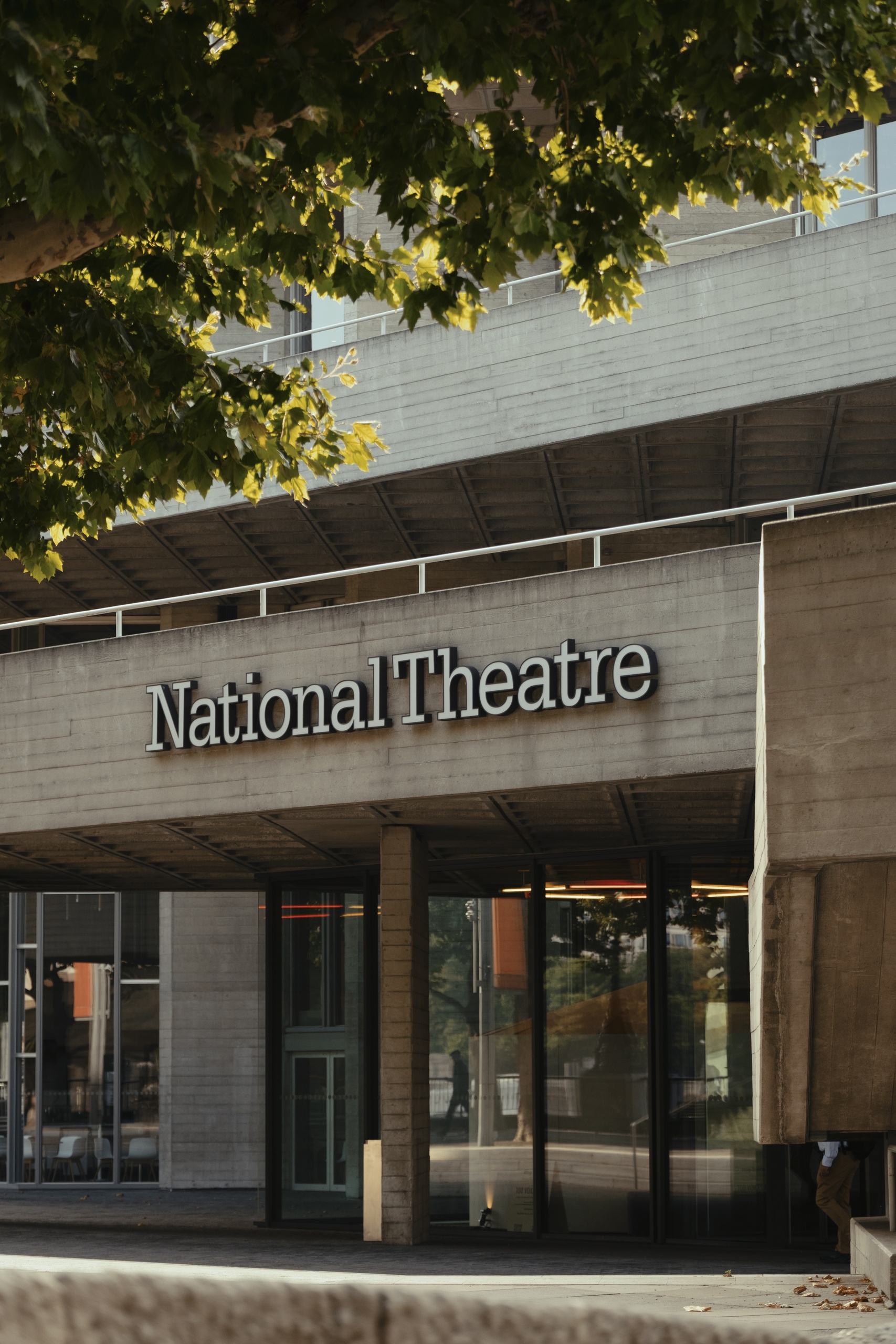
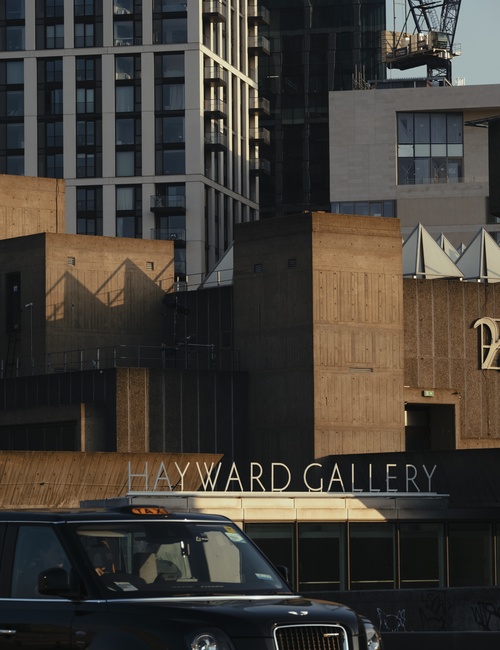
Consequently, Brutalism’s legacy still echoes on Southbank today. Waterfront visits reveal some of Britain’s most beloved Brutalist gems, including cultural institutions such as the National Theatre, Hayward Gallery and Queen Elizabeth Hall.
Brutalist Landmarks
The Shift Towards Modern Design
Over the years, Southbank architecture has continued to evolve in line with the area’s ongoing boom, transforming the south side of the Thames with modern London architecture. Increased investment saw dilapidated industrial sites and down-at-heel districts replaced by a spate of exciting new buildings, creating a vibrant hub for culture, entertainment, retail, business and hospitality.
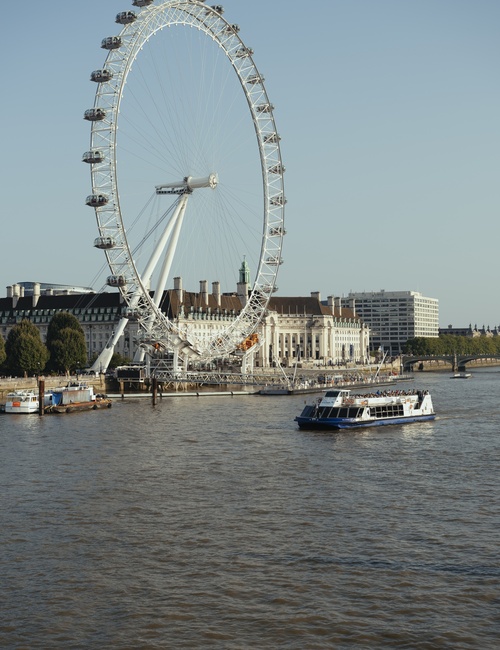
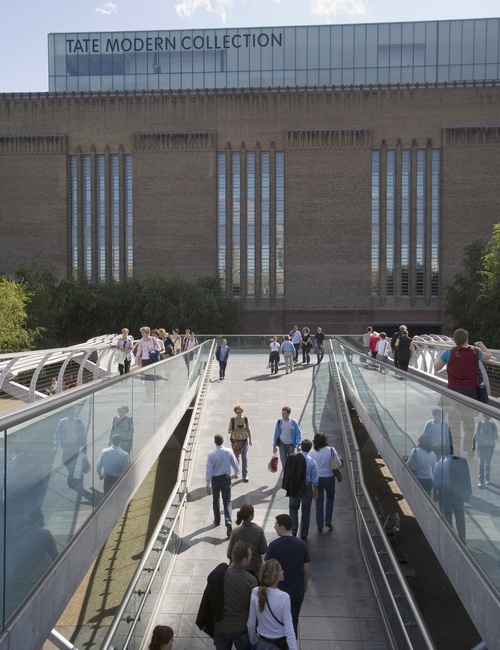
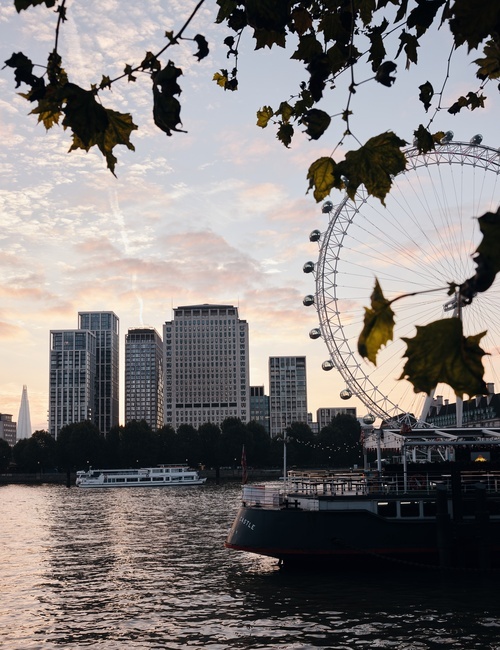
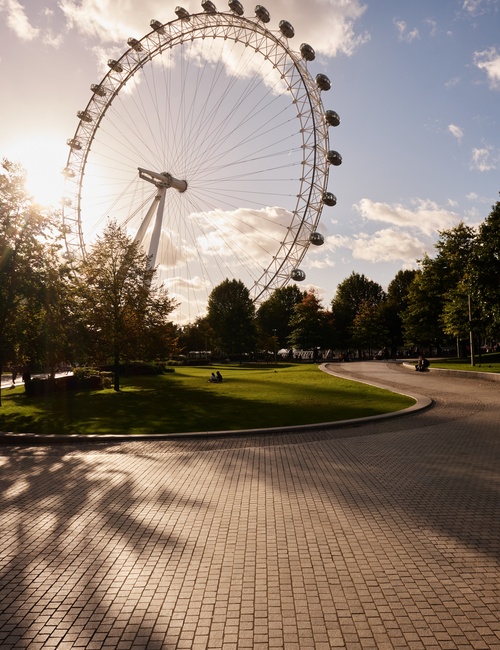
In the 2000s and 2010s, cultural regeneration abounded. For instance, 2000 saw the London skyline transformed forever with the launch of the London Eye. That same year, thanks to a sizeable £134 million conversion, the defunct Bankside Power Station was revamped into the Tate Modern, the most popular modern art museum in the world. The project proved so successful that in 2016, its lauded architects Herzog & de Meuron were invited back to build a major expansion with 60% more gallery space.
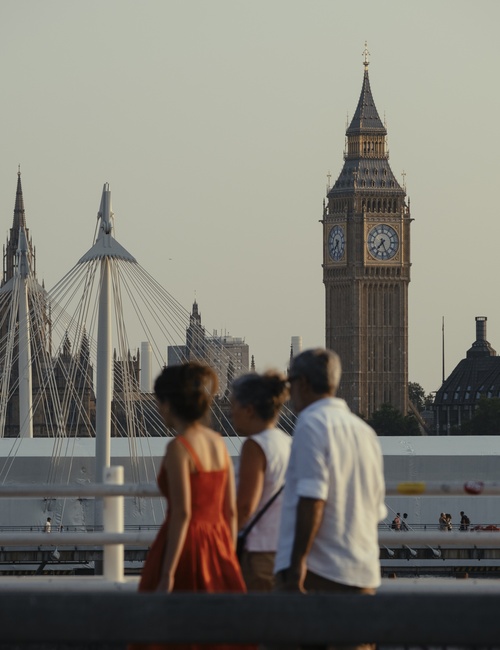
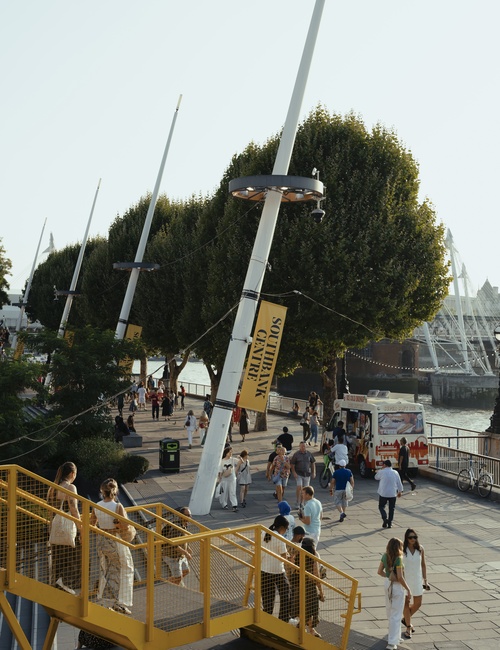
Meanwhile, in 2002, the award-winning Golden Jubilee footbridges were established to connect pedestrians from the West End to Southbank, enhancing access to the area’s famed cultural institutions. In fact, there was a widespread focus on increased pedestrian routes, heightening Southbank’s allure with scenic, well-lit riverside walks.
During this time, an inspired approach to mixed-use planning proved pivotal to Southbank’s ambitious regeneration. 2007 saw BFI Southbank significantly expanded with multiple bars and a riverfront restaurant, in addition to event space and a bookstore. Later, in 2014, a complex of Modernist office spaces from the 1970s saw its south wing reimagined as a new luxury hotel, now known as Sea Containers London, which also features a collection of high-end bars and restaurants facing the Thames.
The Shift Towards Modern Design
A New Era for Luxury Development
In recent years, Southbank’s sensational growth has enticed a wealth of world-class developers, putting the area on the map as an exceptionally desirable residential address. Numerous luxury Southbank developments have sprung up, many crafted with landscaped greenery and contemporary glass structures that show off the neighbourhood’s prime riverside views. That said, none of these elegant residences are so perfectly placed to capture the best of London’s views as Southbank Place, the only address that shares the same prestigious sweep of the River Thames as the Houses of Parliament.
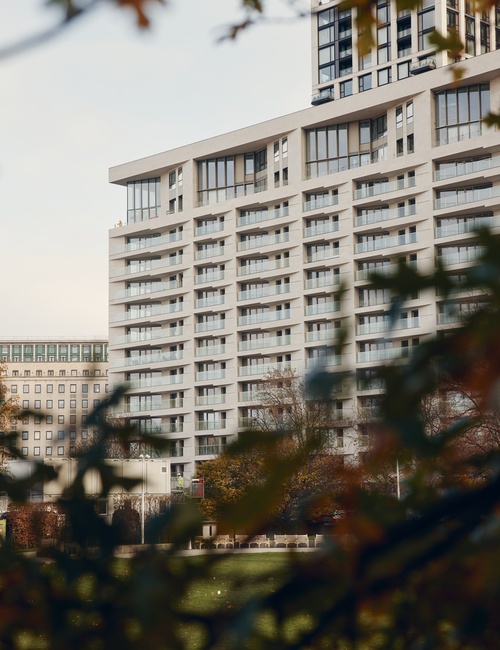
Then there is SEVEN at Southbank Place, sitting pride of place alongside leafy Jubilee Gardens. Introducing a new icon to Southbank’s waterfront, the 13-storey building is curated with 92 exquisite apartments and penthouses, each blending flowing, light-filled spaces with elevated comforts for 21st century lifestyles. Its contemporary good looks were created by award-winning architectural firm Stanton Williams, who envisaged a sculptural building that was guaranteed to turn heads while harmonising with Southbank’s fêted architectural heritage, complete with faceted forms, natural stone finishes and elegantly shaped balconies. Accordingly, SEVEN fits seamlessly into its surroundings, creating a dynamic architectural dialogue with Southbank’s famed Brutalist buildings via elements such as the linear form and solid stone façade.
A New Era for Luxury Development
Discover Southbank’s Standout Architecture
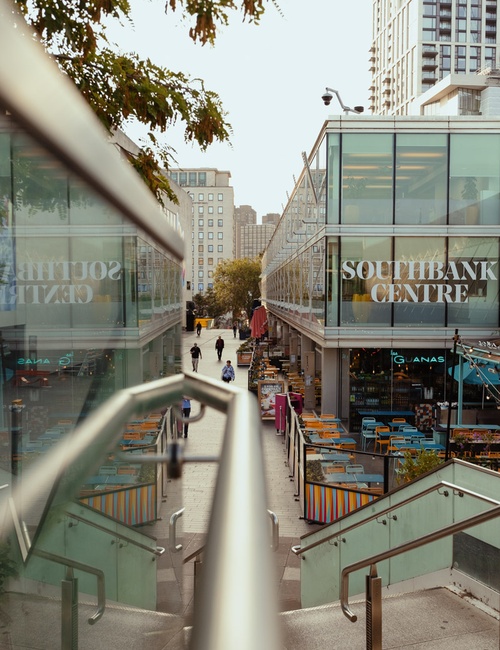
On your next Southbank stroll, take the time to admire and appreciate the neighbourhood’s many architectural treasures. Start with the impressive Brutalist fixtures of National Theatre and Southbank Centre, before stopping to marvel at old-meets-new hybrid that is Tate Modern. OXO Tower is a must for Art Deco fans, whilst Sea Containers House stands as a contemporary reinterpretation of Modernist style.
Of course, as the latest chapter in Southbank’s architecture story, Southbank Place deserves a pitstop of its own. Nestled in over five acres of pristine greenery, its artfully carved Portland stone façade echoes neighbouring landmarks whilst adding a bold new dimension to Southbank’s ongoing architectural evolution.
Discover Southbank’s Standout Architecture
Related journals
12th December
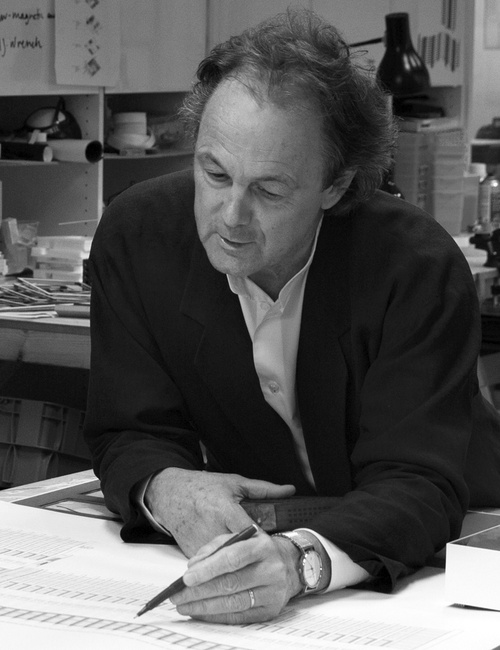
An Interview with Paul Williams OBE, Architect of SEVEN at Southbank Place
Discover how SEVEN at Southbank Place came to life in this illuminating discussion with the Principal Director of Stanton Williams Architects.
29th September
Top Family Days Out: Attractions & Parks on the South Bank
Planning a fun day with the family? Make memories with Southbank family activities, from famous attractions and cultural experiences to riverside play areas.
29th September
A Southbank Walking Trail: From Westminster to Tower Bridge
Discover one of London’s most sought-after areas on this scenic walking route, covering Southbank attractions, riverside dining and world-class culture.