The South Bank at 75: How the Festival of Britain Created London’s Cultural Heart

Seventy-five years after the Festival of Britain transformed the South Bank of London, the Southbank Centre, Royal Festival Hall and National Theatre remain among the capital’s most important cultural landmarks. As the South Bank celebrates its 75th anniversary, a major 2026 programme of music, theatre, art and public events reaffirms its position at the centre of London’s cultural life.

Britain's Cultural Living Room

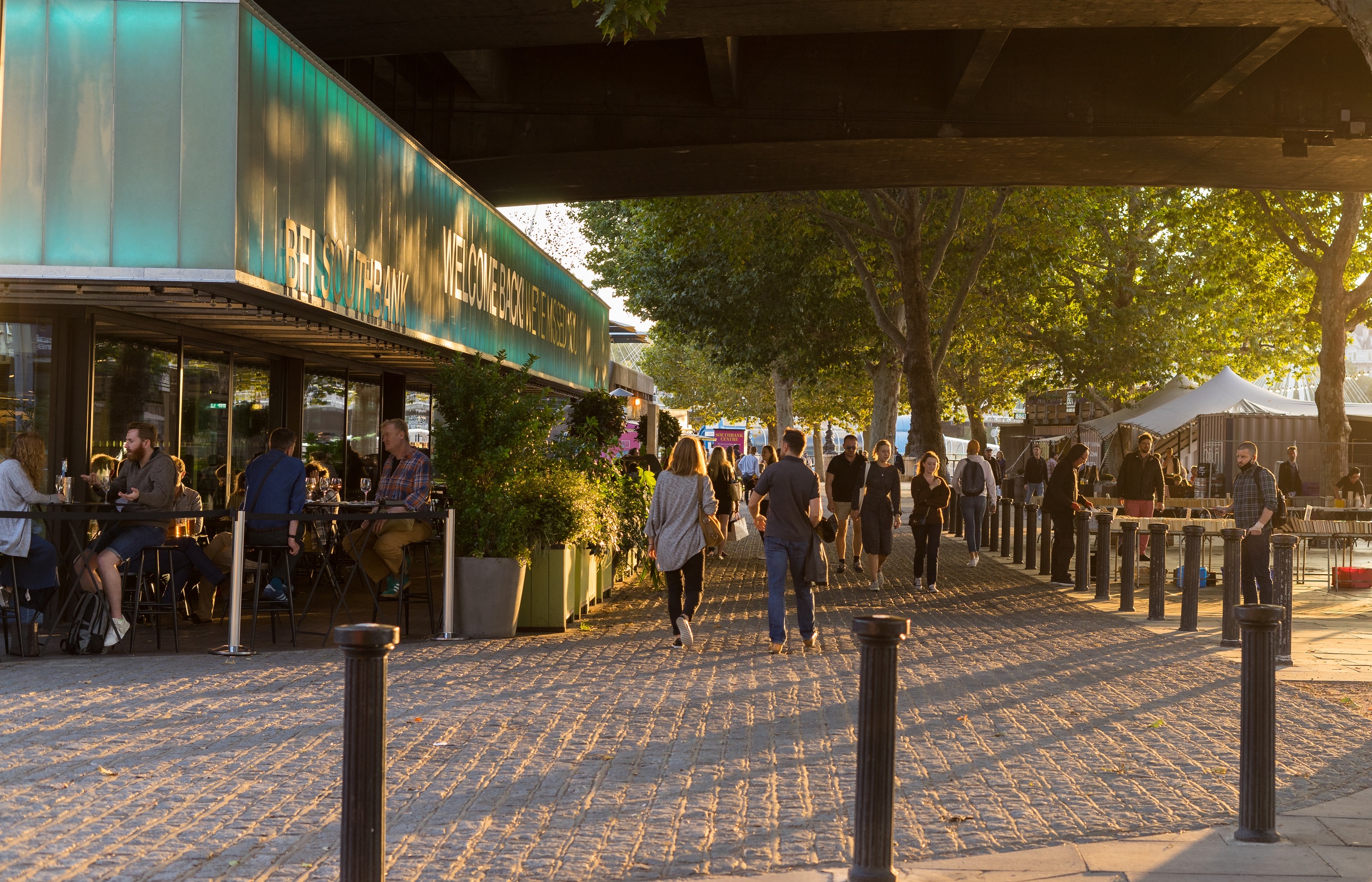
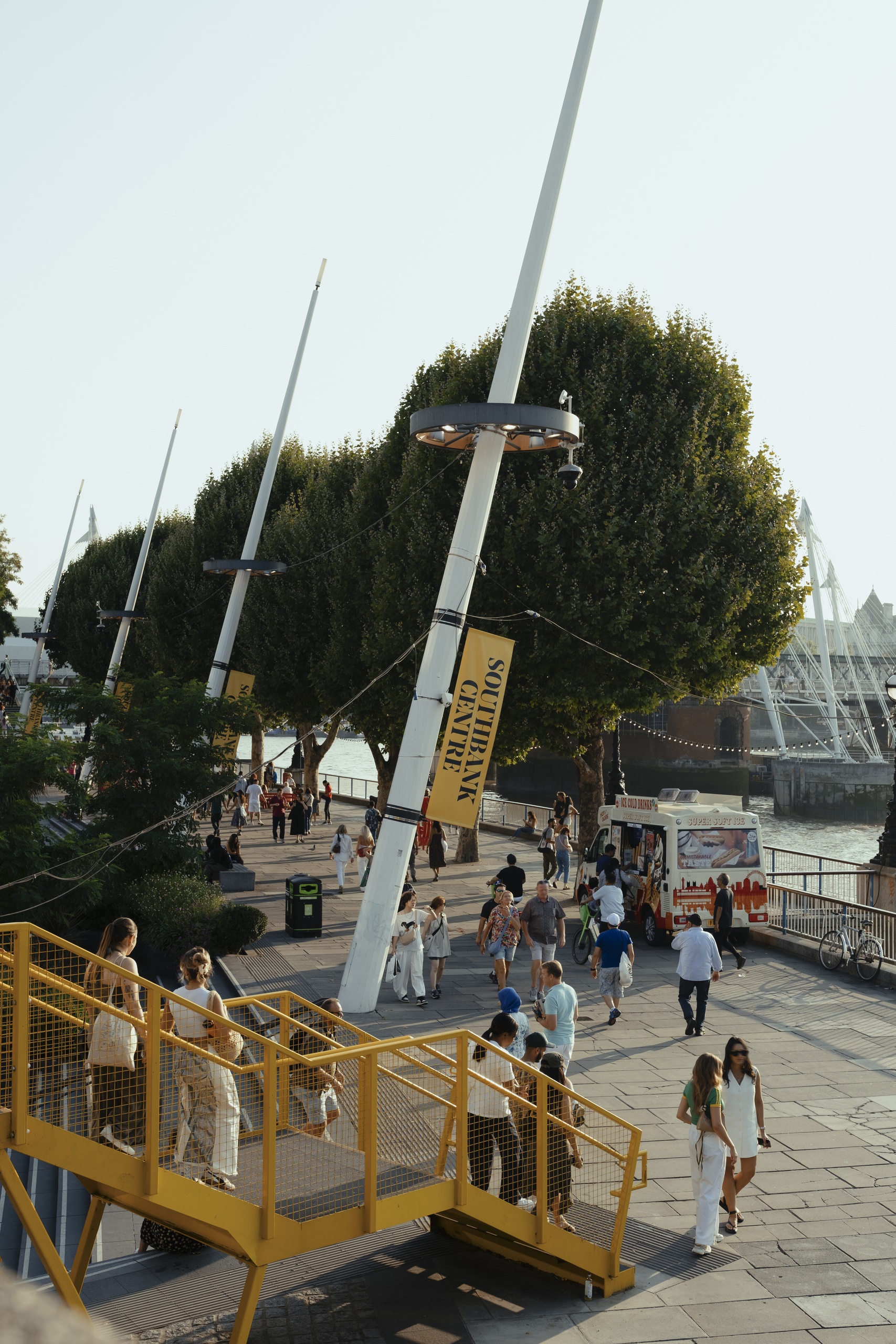
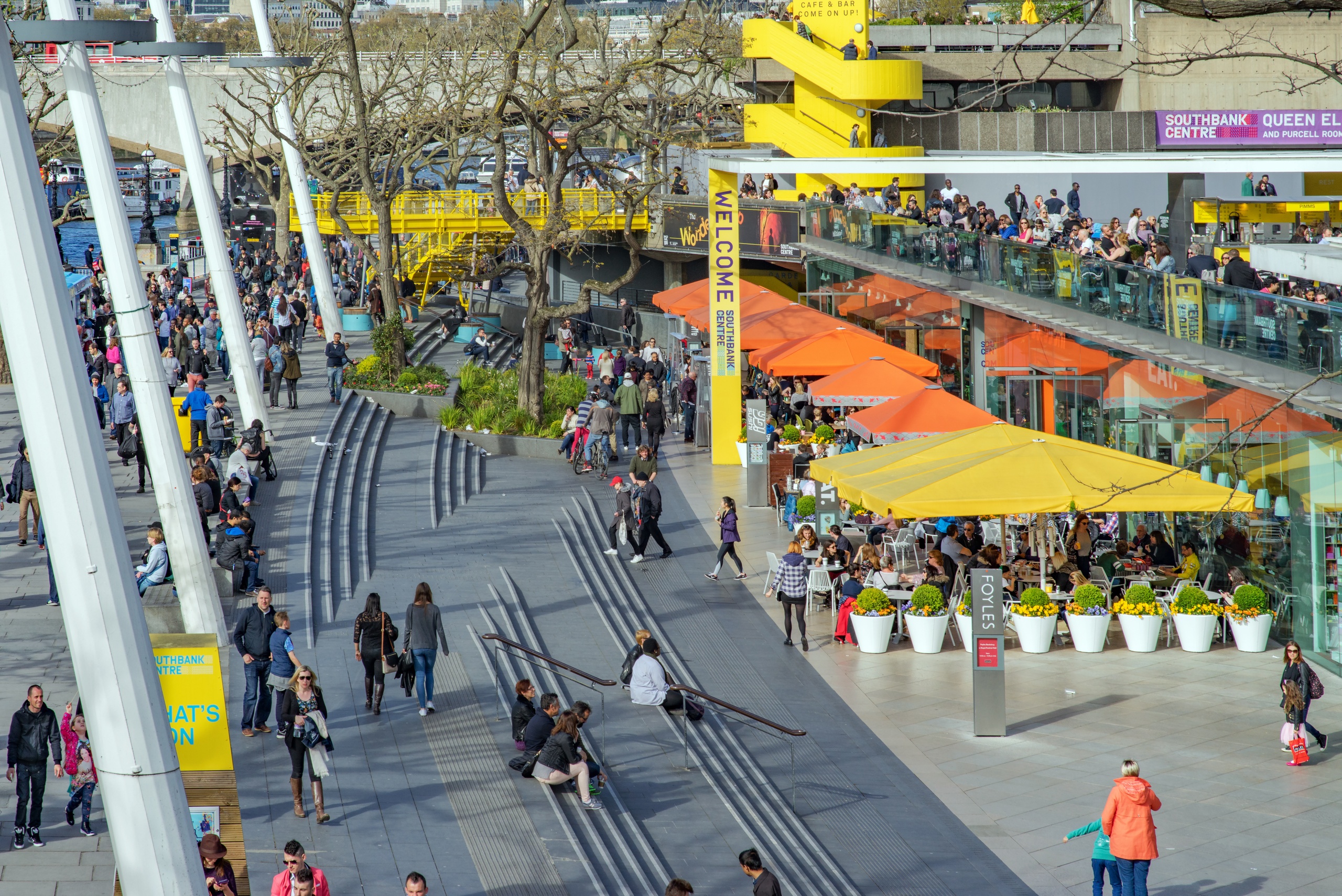
There are few places in Britain where culture feels as democratic, vibrant and alive as London’s South Bank. A skateboarder beneath Brutalist architecture. A child hearing a live orchestra for the first time. A poet performing beside the Thames. A jazz singer filling the foyers of the Royal Festival Hall.

Stretching between Westminster Bridge and Blackfriars Bridge, opposite Parliament and moments from the London Eye, the South Bank occupies one of the most significant locations in the capital. Home to the Southbank Centre, Royal Festival Hall and National Theatre, it sits at the heart of London’s cultural ribbon – a riverside stretch of world-class institutions, public spaces and landmarks that follows the Thames through the city.

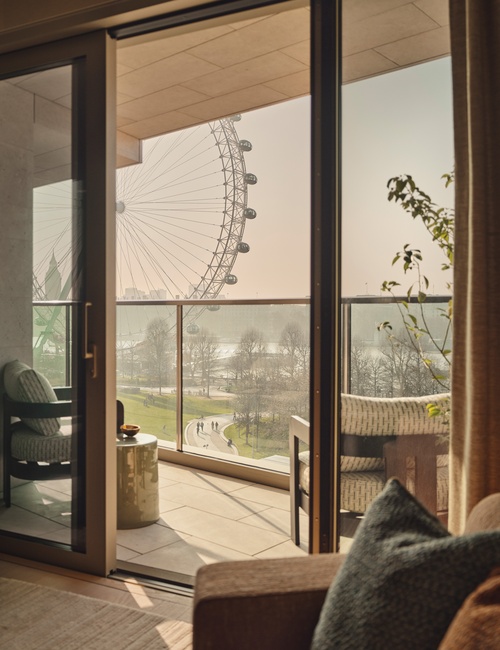
For millions of visitors each year, it is where London presents itself to the world. Increasingly, it is also one of the capital’s most vibrant places to live, combining culture, connectivity, riverside living and some of the city’s most dynamic public spaces.

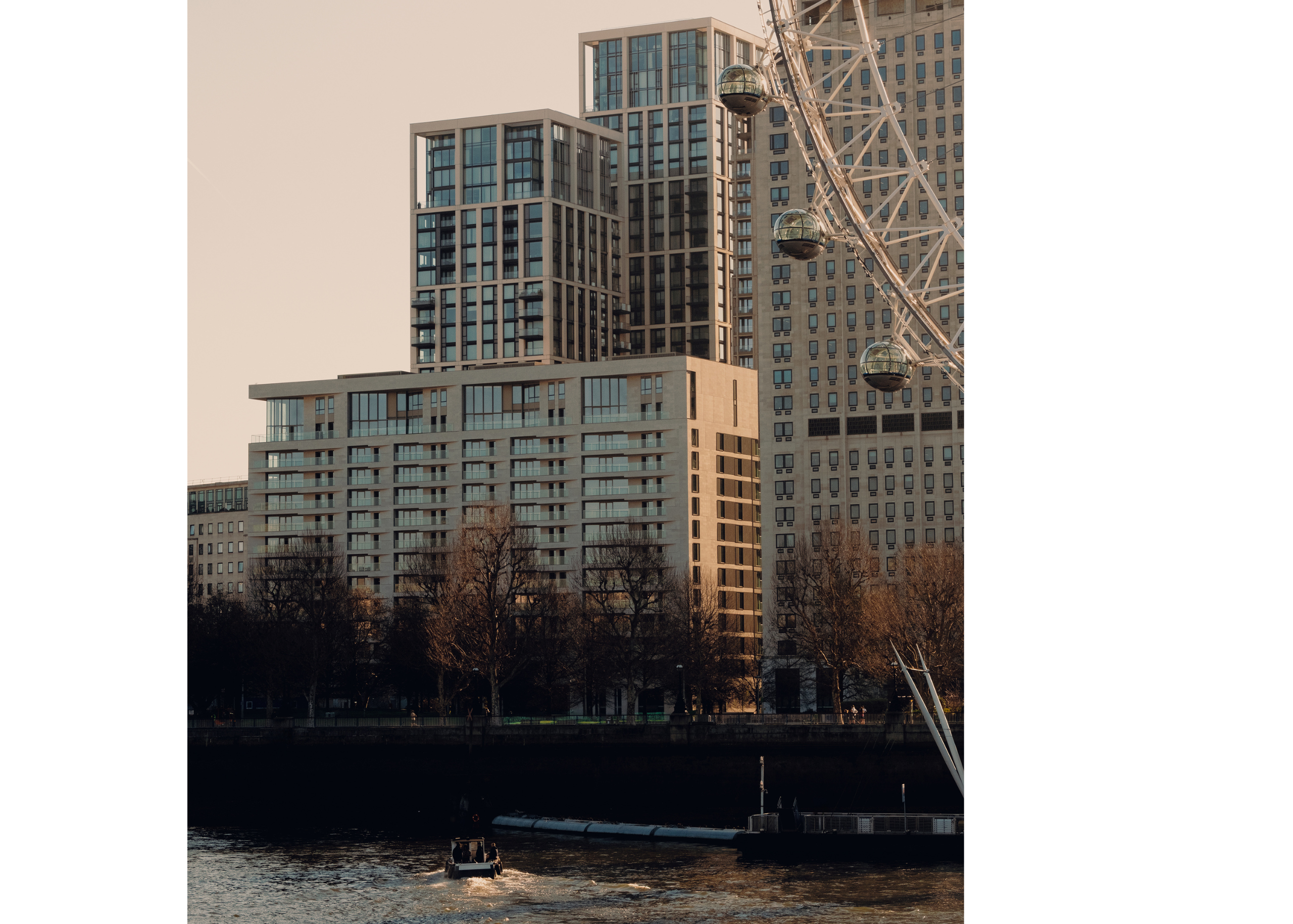
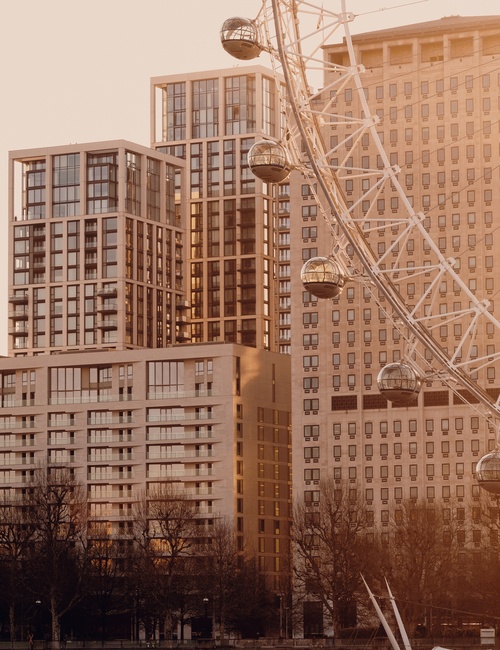
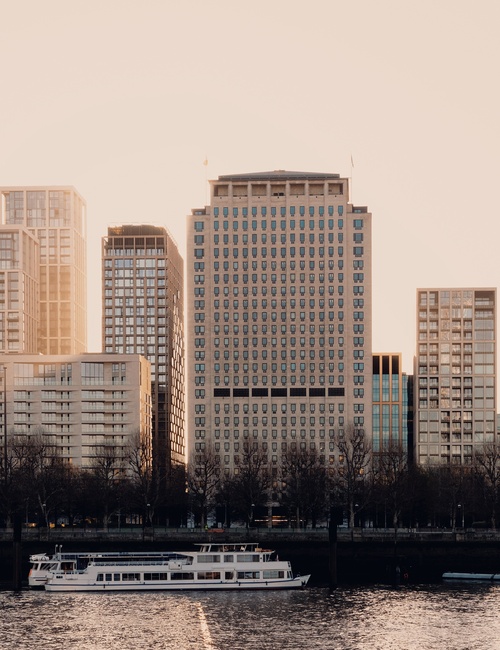
Today, alongside institutions such as the Southbank Centre, Royal Festival Hall and National Theatre, developments including Southbank Place are helping shape the next chapter of this riverside neighbourhood. Yet its defining spirit remains rooted in the vision established by the Festival of Britain in 1951.
Britain's Cultural Living Room

The Festival That Changed London

Conceived as a statement of national renewal after the Second World War, the Festival of Britain celebrated British achievements in art, design, science and architecture while projecting optimism for the future.

Most of its buildings were temporary. One was not.

The Royal Festival Hall remains the enduring legacy of the festival and the foundation of what would become the Southbank Centre, now the UK’s largest arts centre. Alongside the National Theatre, it helped transform a neglected stretch of riverside into Britain’s cultural heart – a place built on public access, creativity and imagination.

The impact of that vision extends far beyond the arts. It established the South Bank as a destination where culture forms part of everyday life, creating a neighbourhood that continues to attract residents, visitors and creative talent from around the world.

The Festival That Changed London

A Cultural Crossroads

Seventy-five years later, the South Bank is marking its anniversary with a programme that reflects the breadth of contemporary culture. Music, theatre, literature, fashion, podcasts and visual art come together in a season that feels less like a retrospective than a declaration.

The South Bank remains Britain’s great cultural crossroads and the centre of London’s cultural conversation.

At the centre of the celebrations is filmmaker Danny Boyle, whose immersive takeover You Are Here transforms the site into what he calls “curated chaos” – a journey through 75 years of British youth culture. With more than 1,000 performers spread across the Southbank Centre, Boyle’s project echoes the collective spirit that first animated the Festival of Britain.

In an era increasingly shaped by digital interaction, it also celebrates something more valuable: genuine human connection.

A Cultural Crossroads

The art of conversation ft Harry Styles

The anniversary programme reflects the South Bank’s long-standing openness to new ideas and audiences. Harry Styles curates Meltdown Festival, introducing a new generation to one of London’s most influential music events, while artist Anish Kapoor and pianist Yuja Wang reinforce the area’s reputation for artistic ambition and excellence.

The riverside also becomes a forum for contemporary debate through Goalhanger’s The Rest Is Fest, bringing together the worlds of politics, sport and entertainment. It is a reminder that culture on the South Bank has always extended beyond galleries and concert halls into conversation, commentary and public discourse.

That spirit continues through appearances from Tracey Emin, Deborah Frances-White, David Sedaris and Sir Paul Smith, alongside spoken-word events including Letters to My Younger/Future Self. Across literature, comedy, performance and ideas, the Southbank Centre continues to champion storytelling in all its forms.

The art of conversation ft Harry Styles

Centre Stage

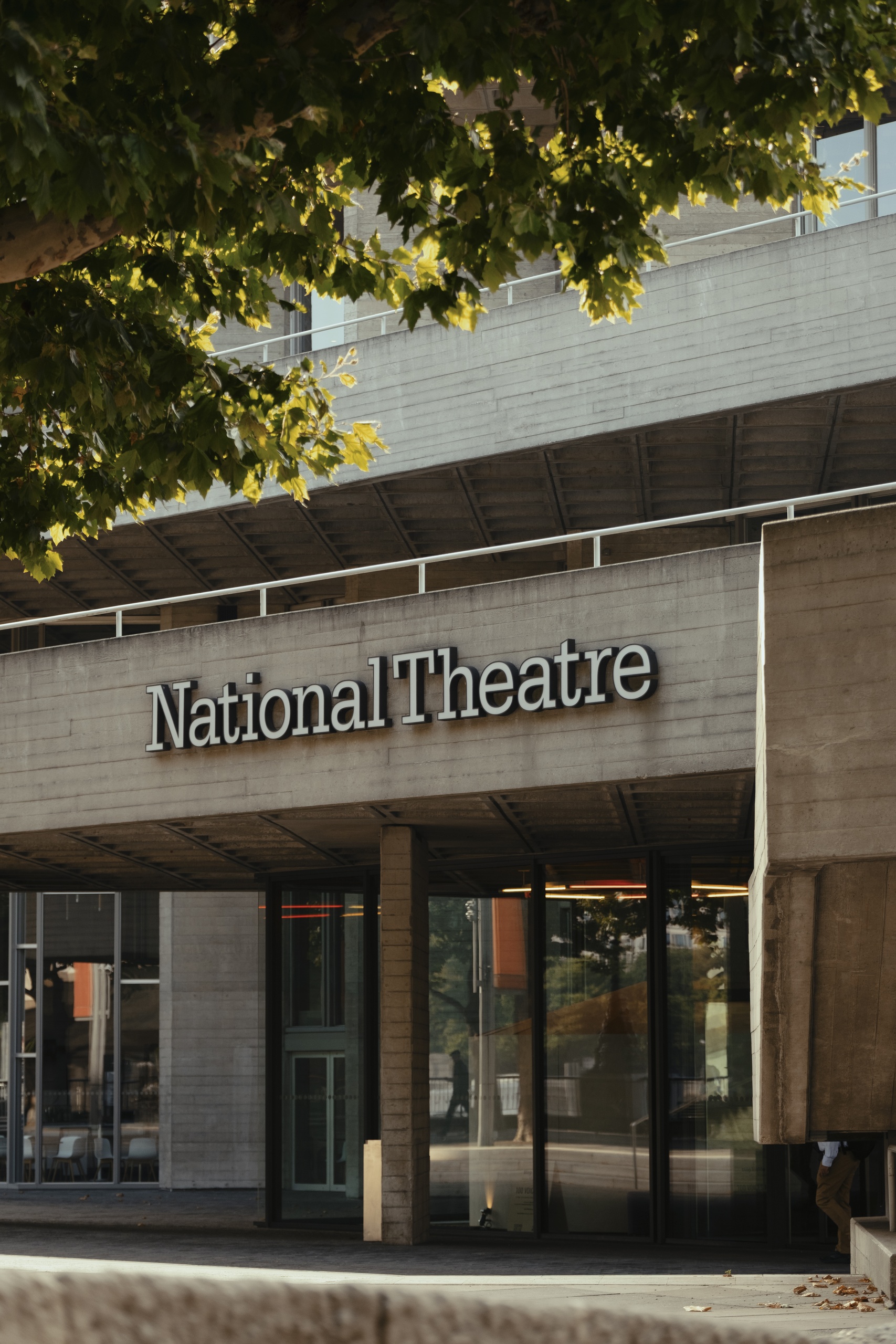
Alongside the Southbank Centre, the National Theatre remains central to the South Bank’s identity. Its 2026 programme includes Sandra Oh in Martin Crimp’s adaptation of The Misanthrope, the return of War Horse, and a new production of Les Liaisons Dangereuses starring Lesley Manville and Aidan Turner.

These productions reflect a wider continuity of ambition. Like the Festival of Britain itself, the National Theatre was built on the belief that world-class culture should be accessible to everyone.

Together, the Southbank Centre and National Theatre continue to anchor one of the world’s most significant cultural districts – a place where residents and visitors can encounter extraordinary creativity on a daily basis.

Centre Stage

The Heart of London's Cultural Ribbon

That same spirit is captured by Quentin Blake’s installation The South Bank Parade, a playful celebration of the artists, performers and audiences who have shaped the area since 1951.

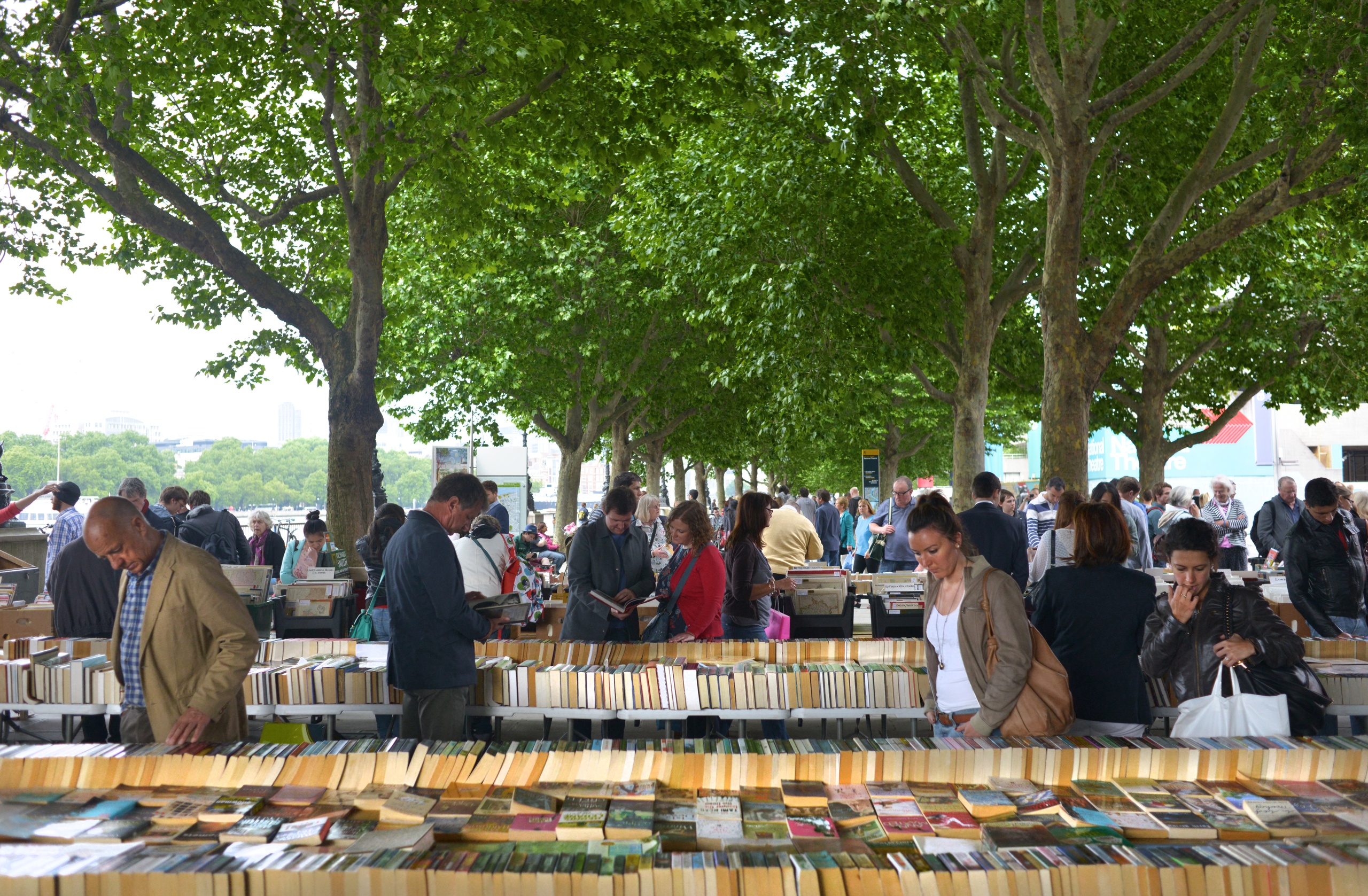
For generations, the South Bank has welcomed families, students, artists and visitors from around the world. It is a place where people discover books, attend festivals, hear poetry in multiple languages and encounter culture from every continent.

More than a destination, the South Bank has become one of central London’s most distinctive neighbourhoods. At the heart of London’s cultural ribbon, it offers a rare combination of world-class arts, riverside public realm, exceptional connectivity and contemporary city living. Few places bring together culture, community and everyday life so effortlessly.

Perhaps that is why the legacy of the Festival of Britain continues to matter so profoundly. The South Bank does not preserve culture behind glass. It allows it to evolve, spill into public spaces and belong equally to orchestras, actors, poets, designers, skateboarders and visitors.

The Festival of Britain imagined a brighter future emerging from hardship. Seventy-five years later, standing beside the River Thames at the symbolic heart of London, the South Bank remains the most enduring expression of that vision – a world-class cultural district where creativity, community and public life continue to thrive, and one of the most vibrant places to live in the capital.

The Heart of London's Cultural Ribbon

Related journals